

The partnership will enable energy solutions designed for the use of biomethane to be incorporated in new residential developments, facilitating efficient and affordable decarbonisation for households.
Nedgia and Metrovacesa have signed a partnership agreement to promote the incorporation of energy solutions designed for the use of green gas in new residential developments. This initiative is a further step towards the decarbonisation of homes, making use of existing distribution infrastructure and facilitating an efficient energy transition for future homeowners.
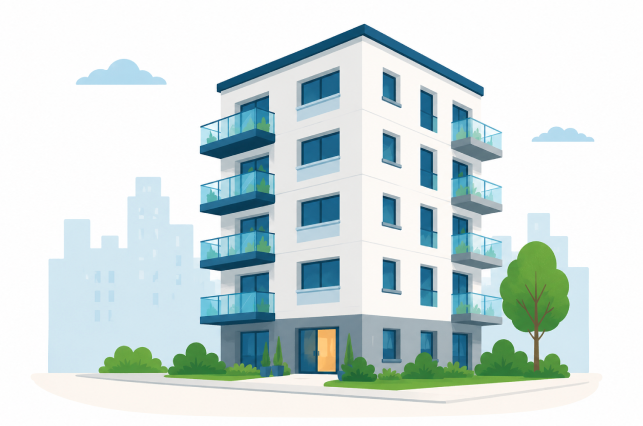
The partnership begins with an initial phase comprising more than 700 homes in developments located in Madrid and A Coruña. Plans are also in place to extend this initiative to new residential developments in Madrid, Valencia and other areas of urban growth over the coming years.
Thanks to this agreement, new homes will be fitted out from the outset with installations capable of receiving a natural gas supply and, in the future, biomethane – a renewable energy source compatible with existing networks. Households will therefore be able to gradually benefit from the use of green gas without having to alter their installations.
To make this possible, Nedgia will contribute its technical expertise in distribution network connection analysis, as well as regulatory and technological advice during project design and development. This partnership helps ensure that new housing developments incorporate energy solutions designed to meet the challenges of the energy transition.
Raúl Suárez, CEO of Nedgia, points out that: “This agreement reflects Nedgia’s commitment to a realistic and efficient energy transition based on solutions that are already available and can be delivered to the public via existing networks. Green gas is an opportunity to make progress towards the decarbonisation of households, whilst maintaining supply quality and offering competitive energy alternatives.“
With this type of initiative, Nedgia continues to work towards bringing renewable energy into homes and promoting a more sustainable energy model, harnessing the potential of existing infrastructure to facilitate the supply of green gas to the public.