
Energy rehabilitation of homes and buildings is one of today’s great challenges in moving towards a more sustainable energy model. In this context, on 5 May Nedgia participated in the Sustainability Week organised by BBVA, at the round table entitled “What next? What can we expect after the Next?”, a space for dialogue focused on how to boost decarbonisation in the residential sector.
The meeting was attended by Enrique García, Nedgia’s Boiler Room Manager, together with industry representatives such as Manuela Martínez Torres (CAF Madrid), Antonio Ocaña (Remica) and María José Piccio-Marchetti (Region of Madrid). The main challenges of energy rehabilitation and alternatives available to make buildings more efficient and sustainable were analysed during the session.
Real solutions for existing buildings
One of the key messages was the importance of opting for solutions that are truly adapted to the characteristics of today’s buildings. In many cases, especially in homeowners’ associations, it is essential to opt for improvements that are economically viable, easy to implement and do not require major works.
Nedgia highlighted the need to:
- Reduce energy consumption first through efficiency improvements
- Make use of existing infrastructure, such as gas networks
- Focus on technologies that allow progress on decarbonisation without major upfront investments
The aim is clear: to make it easier for more and more households to improve their energy efficiency without incurring unaffordable costs.
Green gas, a solution that is compatible with your installation
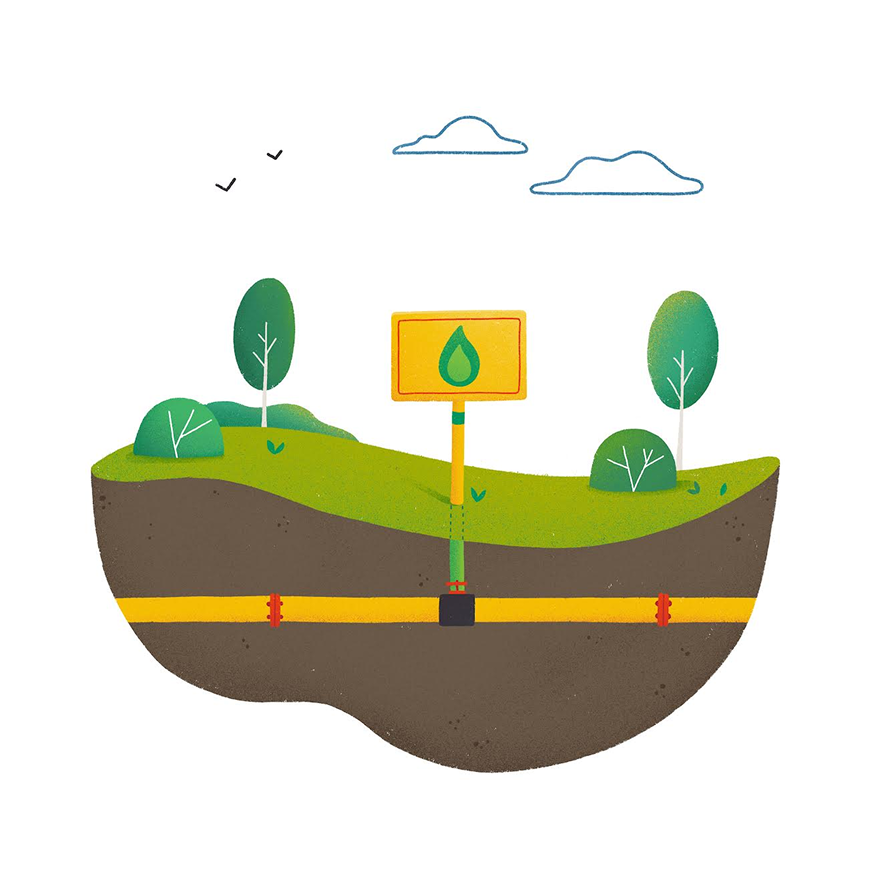
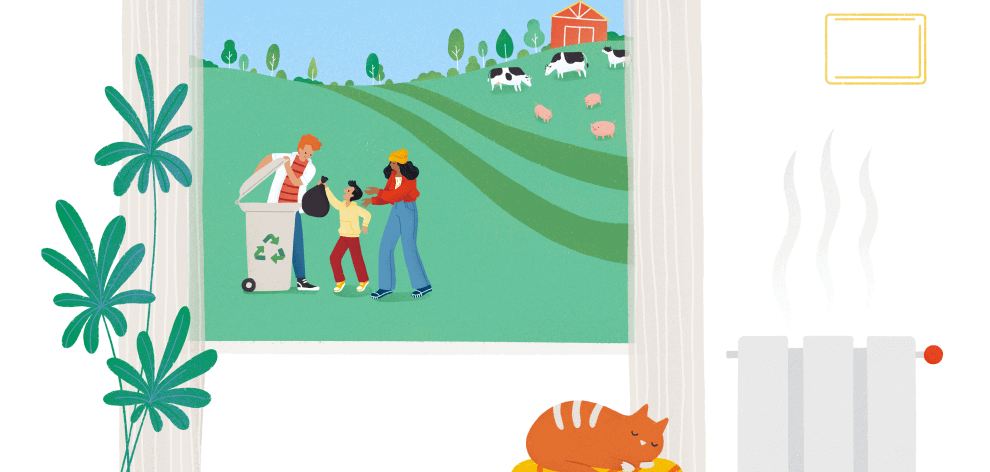
One of the more relevant points was the role of green gas, especially biomethane. This type of renewable gas can be distributed through the existing network and used in existing building installations, which is a great advantage for homeowners’ associations.
For customers, this means:
- No need to change heating or hot water equipment
- Household carbon footprint can be reduced progressively
- Minimised disturbance to inhabited buildings, avoiding complex construction work
Biomethane also contributes to a more balanced energy transition by combining sustainability with a secure, continuous supply.
A balanced energy model
The importance of combining different energy solutions was also raised during the debate. Hybrid technologies and renewable gases will play a key role in the coming years to achieve a more sustainable, competitive and reliable system.
Enrique García underlined that energy rehabilitation progress cannot depend solely on public support. It is essential to focus on solutions that can be financed with the energy savings they generate, making it easier for users to adopt them.
With the customer in mind
Nedgia is working to bring these solutions to households, facilitating access to efficient alternatives that reduce consumption, emissions and also energy costs in the long term.
Energy rehabilitation is not only an opportunity to improve the sustainability of buildings, but also to increase the comfort and value of housing. And on this path, green gas is positioned as a practical, accessible option that is aligned with the needs of today’s customers.